Curved Pavers For Fire Pit
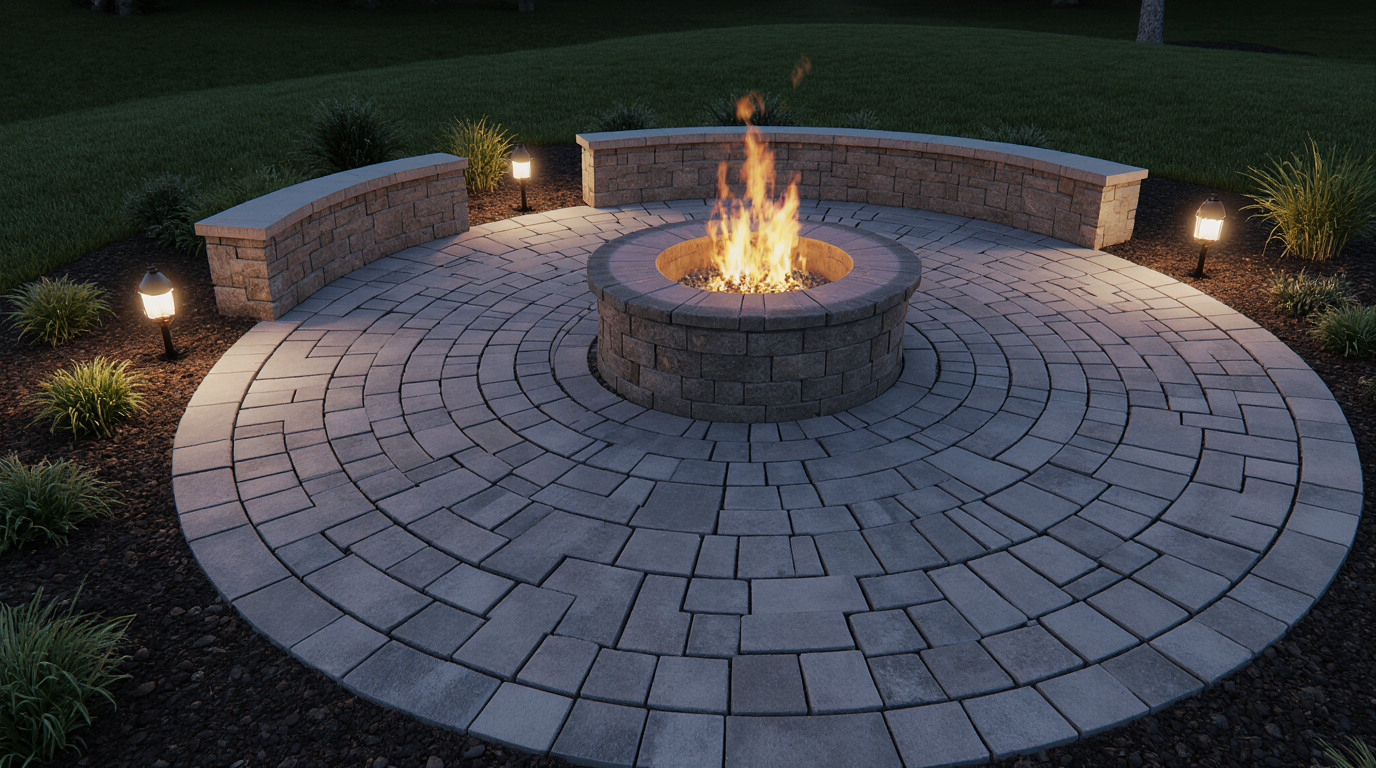
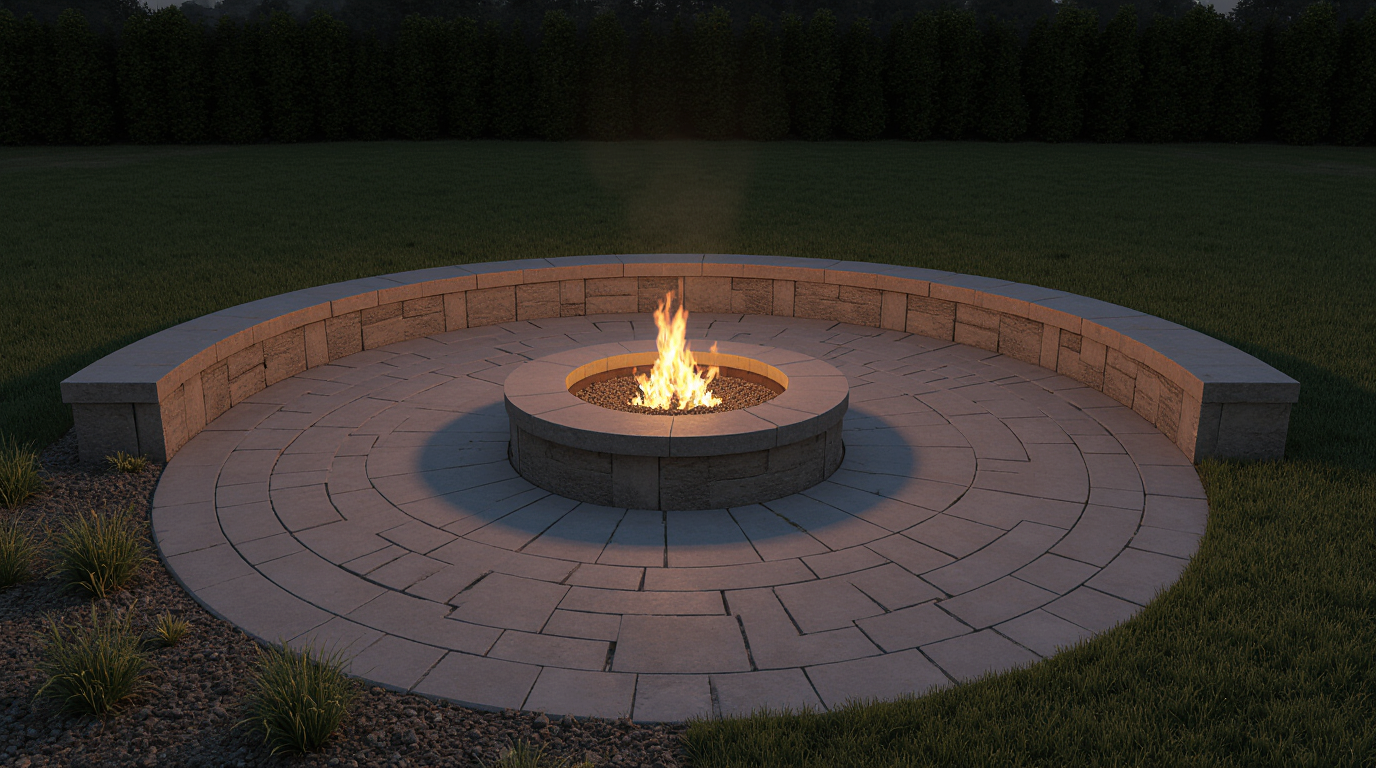
When designing a garden living area that blends comfort with sophistication, curved pavers for fire pit areas prove to be a versatile and classic option. Unlike common straight-edge pavers, curved pavers are specially designed to follow circular patterns, making them ideal for framing a central fire feature that becomes the heart of family and social occasions alike. Their unique advantage to form seamless arcs allows homeowners to design spaces that feel harmonious and flowing, providing both cohesion and charm.
When designing a garden living area that blends comfort with sophistication, curved pavers for fire pit areas prove to be a versatile and classic option. Unlike common straight-edge pavers, curved pavers are specially designed to follow circular patterns, making them ideal for framing a central fire feature that becomes the heart of family and social occasions alike. Their unique advantage to form seamless arcs allows homeowners to design spaces that feel harmonious and flowing, providing both cohesion and charm.
Integrating pavers into fire pit designs is far beyond about aesthetics—it is also about strength and reliability. These engineered surfaces are crafted to withstand extreme fire exposure, seasonal fluctuations, and frequent use without losing their appeal. With precision-formed arcs, they align with accuracy, minimizing structural instability that could compromise the overall strength of the installation. This makes them an strategic choice for homeowners who desire a strong yet refined addition that elevates both the practical appeal and worth of their property.
Another remarkable advantage of curved fire pit pavers is their design flexibility. They can be paired with various textures, neutral shades, and stylish coatings to achieve either a rustic charm or a contemporary feel. Whether set in a patio, a serene lounge, or an entertainment area, these pavers create a magnetic focal point where people can come together, unwind, and build memories. With careful planning and skilled craftsmanship, these pavers are capable of elevating basic patios into captivating environments that promote every-season use.
Ultimately, choosing curved pavers for fire pit projects combines resilience, security, and style in a way that very few alternatives can deliver. Their flowing design ensures that the fire pit area not only serves as a useful heating element, but also enriches the overall mood of the home’s outdoor living setting. With their universal elegance, curved pavers prove to be a refined blend of safety and sophistication.
Pavers Around Fire Pit
Building a functional yet beautiful area around your fire pit is a must, and using pavers is the ideal solution. A border of pavers around your fire pit creates a non-combustible zone, greatly improving safety by preventing sparks from touching your lawn or other combustible surfaces. This protective zone should optimally extend at least about 3–4 feet from the fire pit's edge. Beyond safety, pavers offer a flat and reliable base for chairs and tables, eliminating the problem of wobbly furniture on uneven grass. This practical base ensures your fire pit area is not only secure but also comfortable and inviting for you and your guests to enjoy for memorable evenings.
Pavers Around A Firepit
The selection of pavers around a firepit can dramatically influence the overall aesthetic of your outdoor space. For a warm countryside feel, choose natural-styled or tumbled concrete pavers that replicate the look of weathered stone. If your home has a contemporary architecture, big-slab or polished concrete pavers in monochromatic shades like gray or charcoal will deliver a sleek, contemporary feel. A popular design technique is to create a circular patio area with the firepit as the main attraction, using progressive rows of pavers to emphasize the firepit. This not only creates a striking look but also clearly marks the gathering space, making it feel like a dedicated outdoor room.
Paver Patio Designs With Fire Pit
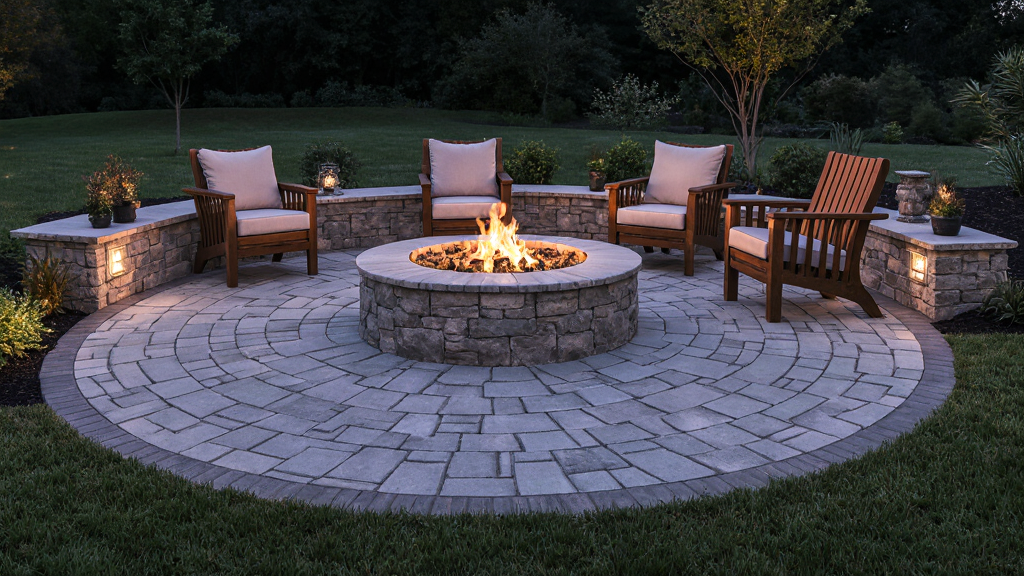
Blending a fire pit into your paver patio design offers a world of creative possibilities. One of the most popular designs is the "sunken living room", where the fire pit area is a step down from the main patio, creating an welcoming and enclosed nook enclosed by a built-in seating wall. Another sophisticated option is to make the fire pit a seamless extension of the patio, using the matching stone for both the pit build and the surrounding ground for a cohesive look. For a contrasting design, opt for a bold hue or texture for the fire pit area to make it a visual anchor. Whichever approach you choose, a professionally styled paver patio with a fire pit becomes the heart of your backyard.
Building A Fire Pit With Pavers
Building a fire pit with pavers is a gratifying DIY project that can redefine your backyard. The process requires a sturdy base. You'll need to dig out a round or rectangular area, lay a compact base of gravel for water runoff, and top it with a layer of smoothing sand. The first course of pavers is the most vital; it must be perfectly level. Once the base is set, you can stack the subsequent layers of wall pavers, fixing them with a strong construction adhesive between each course. For longevity and safety, it's highly recommended to install a metal liner. This shields the paver blocks from constant flames, stopping heat damage over time.
Making A Fire Pit With Pavers
Making a fire pit with pavers is an doable project for most homeowners, requiring just a few essential supplies. You will need heat-resistant pavers (ensure they are rated for this purpose), a digging tool, a spirit level, a rubber mallet, masonry adhesive, and a steel insert. The first step focuses on selecting the right spot, ensuring it's a safe distance from your house and any low branches. The true craft lies in building a balanced starting surface, as this will define the stability of the entire structure. As you arrange your stones step by step, the satisfaction of bringing your idea to life makes the work incredibly rewarding.
Pavers Around Fire Pit
Designing a secure and attractive area around your fire pit is essential, and using pavers is the ideal choice. A ring of pavers around your fire pit establishes a non-combustible zone, substantially boosting safety by preventing sparks from reaching your lawn or other flammable materials. This "spark arrestor" zone should preferably extend at least three to four feet from the fire pit's edge. Beyond safety, pavers offer a level surface for chairs and tables, removing the problem of unstable furniture on sloped grass. This practical foundation ensures your fire pit area is not only protected but also comfortable for you and your guests to enjoy throughout the evening.
Pavers Around A Firepit
The choice of pavers around a firepit can significantly shape the overall appearance of your outdoor space. For a natural style, opt for flagstone-style or textured pavers that resemble the appearance of aged rock. If your home has a modern design, broad porcelain or polished concrete pavers in solid colors like charcoal will create a sleek, contemporary feel. A common design technique is to create a round patio area with the firepit as the highlight, using radiating patterns of pavers to guide focus to the fire. This not only looks beautiful but also naturally defines the gathering space, making it feel like a purpose-built lounge.
Paver Patio Designs With Fire Pit
Integrating a fire pit into your paver patio design offers limitless design ideas. One of the most sought-after designs is the sunken lounge, where the fire pit area is a step lower from the main patio, creating an intimate nook surrounded by a built-in seating wall. Another sophisticated option is to merge the fire pit smoothly with the patio, using the matching material for both the structure and the surrounding floor for a balanced look. For a dynamic design, try incorporating a distinct texture or pattern for the fire pit area to make it a center of attention. Regardless of the style, a thoughtfully planned paver patio with a fire pit becomes the heart of your backyard.
Building A Fire Pit With Pavers
Building a fire pit with pavers is a rewarding DIY project that can transform your backyard. The process begins with a solid foundation. You'll need to prepare a structured layout, lay a layer of crushed stone for water flow, and top it with a smooth sand base. The initial row of blocks is the most important; it must be perfectly level. Once the base is set, you can build the additional courses of wall pavers, fixing them with durable bonding material between each course. For longevity and heat protection, it's highly recommended to insert a metal liner. This protects the paver blocks from harsh flames, preventing them from splitting over time.
Making A Fire Pit With Pavers
Making a fire pit with pavers is an practical project for most homeowners, needing just a few basic materials and tools. You will need heat-resistant pavers (ensure they are suitable for fire pits, not standard patio pavers), a spade, a measuring tool, a soft hammer, bonding agent, and a steel liner. The first step involves choosing your location, ensuring it's a proper clearance from your house and any low branches. The true expertise lies in creating a stable foundation, as this will dictate the stability of the entire structure. As you arrange your paver blocks layer by layer, the reward of building with your own hands makes the effort truly enjoyable.
Fire Pit Using Pavers
Constructing a fire pit using stone pavers provides unmatched flexibility and a polished, high-end finish. The essential factor is to select the right type of pavers—specifically, concrete retaining wall blocks, which are engineered to interlock. Standard flat pavers made for walkways are inappropriate for building the walls of a fire pit. When picking the right stones, opt for angled blocks if you plan on building a circular fire pit, as these lock seamlessly to build a smooth curve. Using a specialized heat-resistant bonding agent between all stacked rows will ensure your outdoor pit is a sturdy, heat-resistant, and dependable build for many years of enjoyment.
Paver Stones For Fire Pit
When choosing paver stones for a stone fire ring, you have two primary areas to consider: the inner framework and the paved gathering zone. For the main structure, you must use solid block retaining stones, which are engineered for strength and made to be stacked. For the outer zone, you have more freedom. Versatile concrete pavers are a versatile and popular choice, with limitless design variations. Organic stone options like limestone bring timeless elegance and strength. Always ensure the ground-level stones are set on a proper base of gravel and sand to avoid sinking or movement and keep the surface dry and intact.
Paver Stone For Fire Pit
A individual stone for a stone ring might look insignificant, but all pieces contribute in the complete setup. For the fire pit walls, each paver stone must be positioned correctly, ensuring it is level and securely bonded to the layer below with construction adhesive. The upper ring, or finishing edge stone, is particularly critical for the final appearance. Using a designed top block provides a smooth, comfortable edge, perfect for resting a drink or for extra function. The quality and type of stone you select will directly impact the performance, look, and lifespan of your outdoor gathering spot.
Backyard Fire Pit Pavers
Backyard stone pavers for fire pits are the building block for transforming a backyard into an entertainment space. They transform a simple patch of grass into a designed and elegant gathering spot. When designing the space, think outside traditional round designs. Consider installing stone walkways that flow into the fire zone, linking it with patios and decks like the porch or back entrance. This creates a unified design throughout your backyard. Using pavers also reduces lawn maintenance and offers a neat flooring that won't get muddy, meaning you can enjoy your fire pit space in spring, summer, fall, or winter, boosting the function of your complete yard.
Backyard Pavers With Fire Pit
A backyard designed with pavers and a fire pit becomes an outdoor continuation of the indoors. This combination is suited to establish a multi-functional area. The paved surface is perfect not just for relaxing near the fire, but also for outdoor dining like setting up a dining table or a safe space for children. Designing with a central fire pit means your hardscaped surface can effortlessly adapt from a daytime hangout to a warm nighttime lounge. By selecting stonework that match your house style, you build a seamless look that increases home value and offers a functional yet stylish area for enjoying time with loved ones.
Paver Fire Pit Area
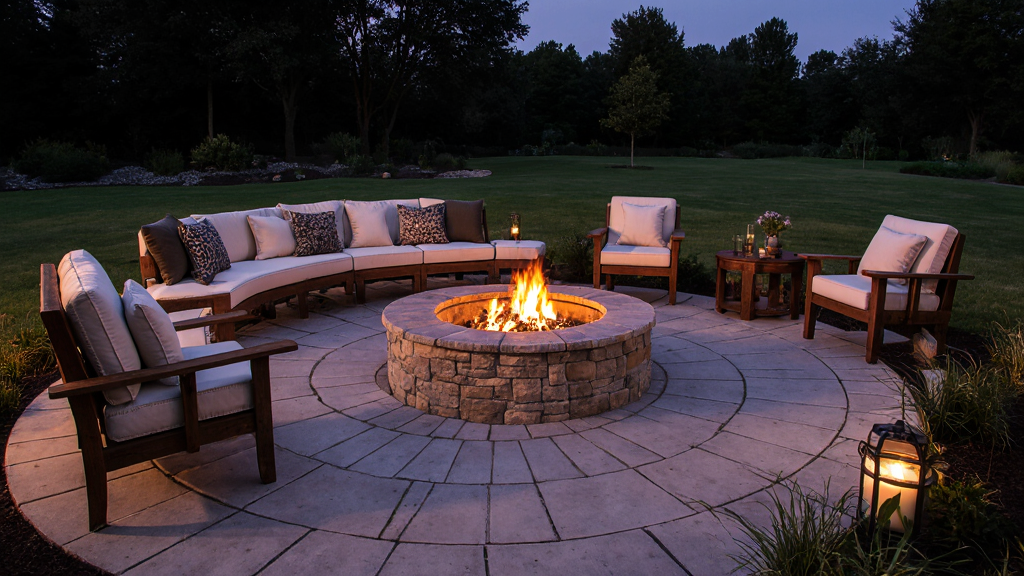
A dedicated paver fire pit area is a mark of a well-designed landscape. This defined zone serves several purposes. From a practical perspective, it provides a stable and fire-resistant surface essential for protection. Visually, it adds striking character in your yard. You can define the space with a border of contrasting pavers or by raising or lowering the area slightly from the surrounding landscape. Add comfortable all-weather furniture, outdoor lighting, and perhaps a few planters, and your paver fire pit area becomes a welcoming retreat, ideal for gatherings beneath the night sky.
Outdoor Fire Pit Pavers
When picking outdoor fire pit pavers, strength and resilience matter most. These materials must withstand a wide range of conditions, from long hours of direct sunlight to icy climates with snow and rain. High-quality concrete pavers are designed to last without warping or breaking, making them an reliable choice. Advanced porcelain tiles are another outstanding, albeit higher-cost, option known for being resistant to stains and virtually maintenance-free. Regardless of the material, investing in weather-tested designs ensures your investment will stay stylish and hold up effectively through countless outdoor seasons.
Outdoor Fire Pit With Pavers
An outdoor fire pit with pavers is a timeless feature for elevating backyard atmosphere. The solid, structured look of a paver fire pit offers a reliable, upscale aesthetic that portable models can't match. Combined with a complementary paver surface, it creates a complete and polished look. This setup is ideal for social gatherings, providing a natural gathering spot where guests can mingle. The warmth and flickering light of the fire, combined with the refined base of the design, create an irresistible atmosphere for everything from relaxed personal moments to festive get-togethers.
Paver Patio With Fire Pit
A paver patio with a fire pit is one of the most sought-after features in modern home landscaping. It is a dual-purpose investment that provides both an adaptable space for multiple functions and a specific feature for entertainment and relaxation. This combination maximizes the utility of your outdoor space, offering a place for grilling and dining during the day and a cozy spot for warmth and conversation at night. Planning the patio layout with the fire pit as an integral component from the start allows for unique configurations, such as built-in seating walls or rounded layouts encircling the fire.
Paver Patio And Fire Pit
The synergy between a paver patio and a fire pit creates the ultimate backyard experience. The patio provides the groundwork for leisure, while the fire pit acts as the glowing centerpiece or core element. This setup works efficiently; the foundation requires minimal upkeep, endures frequent use, and delivers built-in fire protection. From a design perspective, it offers a wealth of creative options. You can opt for weathered designs for charm or smooth oversized slabs for contemporary appeal. Together, a paver patio and fire pit form a long-lasting duo that enhances both the beauty and functionality of your property.
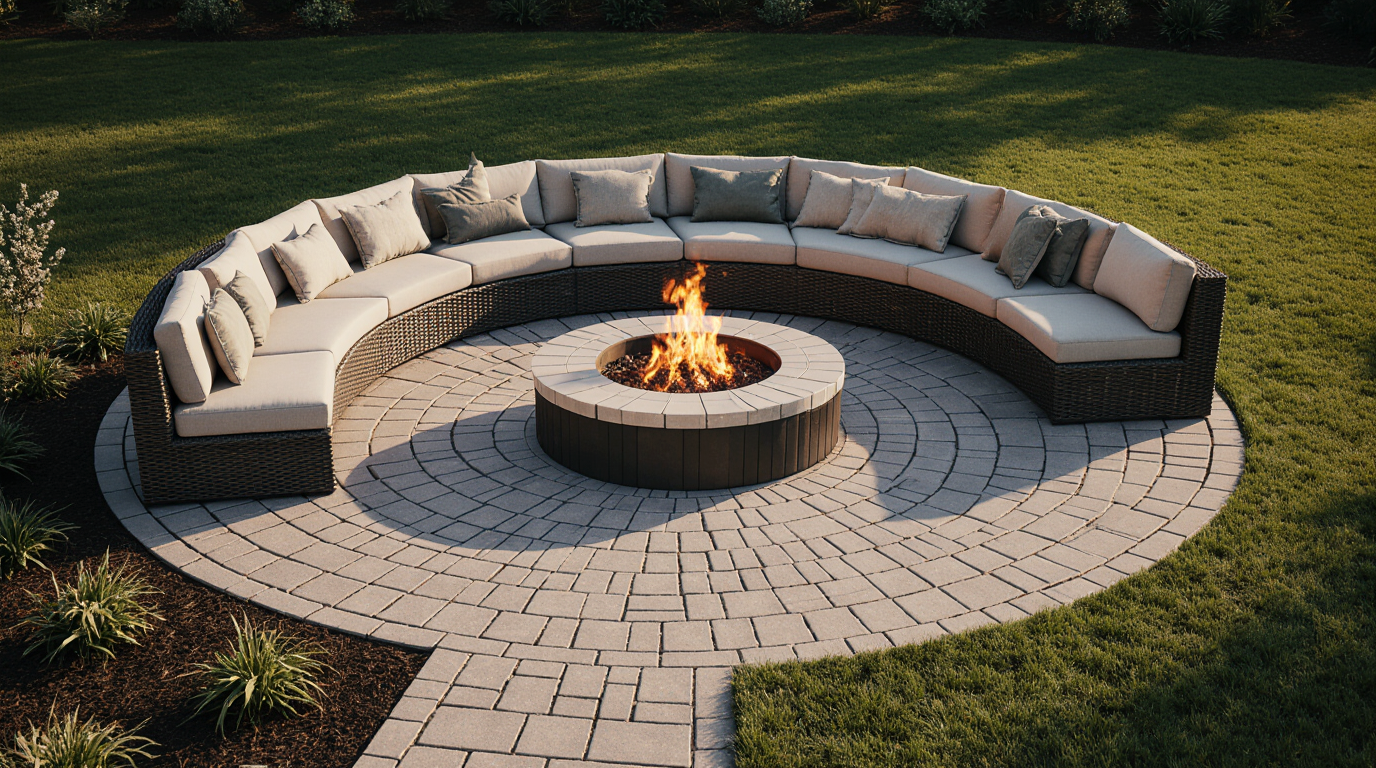
Curved Pavers for Fire Pit – Sophisticated and Long-Lasting Foundation for Outdoor Living
Designing an outdoor space that feels warm and welcoming often begins with choosing the right foundation. One of the most sought-after features for enhancing backyards and patios is a fire pit, and when it comes to designing its perimeter, few options compare to rounded paving stones. They offer a classic blend of design flexibility, long-lasting performance, and a sophistication that uplifts the entire area. Whether you are a DIY enthusiast designing a cozy gathering spot or a contractor overseeing a tailored project, curved pavers for fire pit projects have become the gold standard in today’s landscape architecture.
The value of using pavers for fire pit designs lies in their flexibility. Unlike monolithic slabs or other fixed materials, pavers offer versatility in shape, color, and pattern. This means a rounded configuration can be achieved without compromising durability. With curved pavers, you can design smooth-flowing arcs of comfort, frame spaces with organic curves, or merge the pit harmoniously with the surrounding landscaping. This degree of personalization makes curved pavers especially popular among designers who seek to combine durability with elegance.
When selecting curved pavers, your material decision plays a critical role. Concrete pavers are often the most widely accessible option due to their competitive pricing and ready access, while natural stone pavers bring a more organic appearance to a fire pit setting. Clay-based pavers are another reliable choice, known for their classic character and robust strength. Regardless of material, curved pavers provide a level of construction reliability that makes them resistant to cracking, weather damage, and fading, especially when fitted with precision. The toughness of these pavers ensures that the fire pit area remains safe, stylish, and permanent.
Planning with curved pavers for fire pits allows landscapers to achieve style without compromising safety. A fire pit naturally draws attention, acting as the anchor of social interactions, so the surrounding pavers should accentuate its presence. By implementing circular patterns, the movement feels natural, prompting social connection in a welcoming enclosure that encourages interaction and relaxation. Additionally, the slip-resistant properties of most pavers enhances safety, reducing the chance of accidents when guests circulate near the flames. This makes curved pavers not only a beautiful design element but also a responsible and practical choice for residential landscapes.
Another unique strength of curved pavers is their ability to blend seamlessly with pre-established exterior designs. Many outdoor spaces already feature outdoor kitchens, pathways, and walls, and the flowing shapes of these pavers complement those structures with ease. The design flexibility allows seamless integration with barbecue areas, landscaped walkways, and pool decks. By incorporating rounded paving into the fire pit area, you can achieve a harmonious visual theme that ties the entire property together. The palette of shades available—from warm browns and terracotta hues to refined silvers and minimalist monochromes—ensures the finished result enhances the surrounding environment.
Durability is one of the most critical qualities of fire pit pavers. Outdoor spaces are frequently exposed to harsh climatic elements, from scorching sun to icy winters. Curved pavers are designed to resist environmental damage without compromising their structure or appeal. When professionally set with a stable foundation and sealing sand, pavers remain stable and level. Unlike poured concrete that can develop unsightly fractures, individual pavers can be easily swapped without ruining the visual harmony. This makes long-term care easy and affordable, further increasing the value of curved pavers for lasting property investment.
Professional installation is highly encouraged when working with curved pavers around a fire pit. Skilled installers know how to prepare the base, ensure proper drainage, and reduce risks of damage. They can also create intricate patterns like classic and modern geometric styles that enhance the natural curvature of the fire pit. Homeowners who attempt a self-installation may achieve good results, but hiring experienced installers guarantees precision, safety, and refinement. In addition, protective coatings can extend the life and beauty of the installation, keeping them fresh and appealing long-term.
For those seeking creative direction, the options with curved pavers are endless. Some homeowners prefer to enrich the design by combining curved pavers with built-in seating walls, forming a long-lasting entertainment hub. Others prefer to use multi-colored pavers to form decorative borders. Integrated illumination can also be built into the installation, with hidden lights tucked into seams to create a glowing ambiance at night. These design accents demonstrate how curved pavers for fire pit design can turn a plain yard into a personalized retreat.
In addition to their visual appeal, curved pavers add tangible value to a property. Outdoor living spaces are in strong demand in the real estate market, and a well-designed fire pit area can raise property appeal. Buyers often favor homes with distinctive elements, and a luxurious paver-lined fire area is a feature that captures attention. Beyond resale value, the everyday pleasure of having a functional and welcoming gathering space is invaluable. Welcoming friends, sharing meals, or simply resting near the flames are experiences enhanced by the style and function of curved pavers.
Maintenance is straightforward with paver fire pits. Occasional sweeping, rinsing with water, and reapplying joint sand when necessary are sufficient to preserve long-term quality. Sealing the pavers every few years helps defend against discoloration caused by outdoor use. Unlike fragile wood installations needing ongoing care or cement surfaces needing heavy maintenance, pavers offer a easy-care option that continues to look great through every cycle. This simplicity increases their desirability for modern families who want a beautiful backyard retreat without ongoing maintenance.
The perennial appeal of curved pavers ensures they remain fashionable. Their ability to balance rustic charm with modern design means they can suit virtually any outdoor aesthetic. From rustic outdoor hubs featuring irregular slabs to cutting-edge landscapes with geometric flow, curved pavers perform flawlessly. The durability, safety, and customizable nature of these pavers make them a preferred choice among homeowners, landscapers, and outdoor design experts. When framed by flickering firelight, they create an inviting environment that transforms the outdoors into livable comfort.
By selecting arched stonework for fire features, you are adding more than a decorative element. You are creating a space where memories are made, where nights are enriched by glowing flames, and where artistry meets strength. Their adaptability, resilience, and beauty make curved pavers a cornerstone of modern outdoor living, elevating ordinary spaces into retreats of comfort, elegance, and lasting value.