Equipment Upgrades Lake County FL
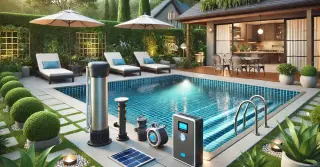
Upgrading your pool equipment is vital for ensuring a clean, safe, and efficient swimming environment. Modernizing your equipment can significantly improve energy efficiency, water quality, and overall convenience. Key upgrades include eco-friendly pumps, high-performance filters, smart heating systems, automation features, and improved safety measures. Choosing these upgrades guarantees an improved pool experience while extending your pool's lifespan.
Upgrading your pool equipment is vital for ensuring a clean, safe, and efficient swimming environment. Modernizing your equipment can significantly improve energy efficiency, water quality, and overall convenience. Key upgrades include eco-friendly pumps, high-performance filters, smart heating systems, automation features, and improved safety measures. Choosing these upgrades guarantees an improved pool experience while extending your pool's lifespan.
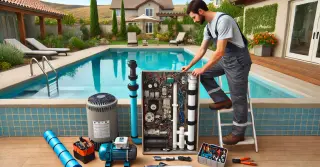
Improving your pool's equipment is vital for keeping your pool clean, safe, and efficient. Whether your goal is to boost energy efficiency, improve water quality, or increase convenience, improving your pool's equipment brings many opportunities.
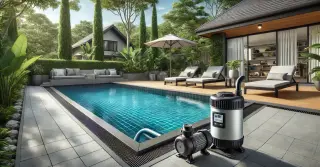
Energy-Saving Pool PumpsA key upgrade for your pool is upgrading to an energy-saving pump. Eco-friendly pumps require less power while maintaining optimal performance.
- Variable Speed Pumps: Adjustable speed pumps enable you to change the flow rate based on your pool's needs, cutting energy use and lowering operating costs.
2. Advanced Filtration SystemsEnhancing your pool's filtration system is essential for maintaining water clarity and hygiene. High-performance filtration systems are more powerful at removing debris and contaminants.
- Cartridge Filters: Cartridge filtration systems require minimal maintenance and offer superior filtration for various pool sizes.
- Diatomaceous Earth Filters: DE filtration systems offer the highest level of filtration by capturing the smallest particles, maintaining pristine water.
3. Efficient Heating SystemsAdding an efficient heating system can extend your swimming season, providing comfort during the colder months.
- Solar-Powered Heaters: Solar-powered heaters use the sun's energy to increase water temperature, lowering utility bills while being environmentally friendly.
- Electric Pool Heaters: Electric heating pumps are energy-efficient and maintain consistent water temperature, no matter the weather.
Pool Automation SystemsIncorporating automation and smart technology can simplify pool management, letting you operate various features using a mobile device.
- Self-Cleaning Systems: Automated cleaning systems take care of maintenance with minimal effort, keeping your pool clean without manual work.
- Smart Controllers: Smart controllers let you operate heating systems, lighting, and filters with ease, ensuring ease of use and efficiency.
Safety UpgradesEnhancing safety systems is crucial to ensuring the well-being of swimmers.
- Protective Covers: Using protective covers prevents accidents and keeps the pool clean.
- Pool Security Systems: Installing pool alarms alerts you to unauthorized access, ensuring peace of mind and increasing safety.
Final ThoughtsImproving your pool's equipment provides many advantages, such as energy efficiency, better usability, and higher safety and convenience. By choosing advanced equipment, you guarantee a clean, safe, and high-performing pool that enhances your overall swimming experience.