Inspection and Repairs Polk County FL
Regular inspection and timely repairs are vital for keeping the safety, performance, and durability of your pool. By spotting problems promptly, you can stop major damage and ensure your pool remains in optimal condition. Inspection and Fixes Maintaining the long-term efficiency and functionality of any apparatus involves regular maintenance and fixes. Be it an intricate technical apparatus or a basic home appliance, regular maintenance checks and prompt fixes are key in preventing costly breakdowns and prolonging the lifespan of the device.
Regular inspection and timely repairs are vital for keeping the safety, performance, and durability of your pool. By spotting problems promptly, you can stop major damage and ensure your pool remains in optimal condition. Inspection and Fixes Maintaining the long-term efficiency and functionality of any apparatus involves regular maintenance and fixes. Be it an intricate technical apparatus or a basic home appliance, regular maintenance checks and prompt fixes are key in preventing costly breakdowns and prolonging the lifespan of the device.
The Significance of Routine Checkups
Consistent evaluations are essential because they identify potential problems early. This proactive approach enables small fixes to be performed before they become major faults. To illustrate, routinely evaluating a furnace can avert an entire collapse during the cold season.
Important Sections to Assess
During checkups, notable parts of the system should be carefully examined. These comprise:
- Dynamic sections that endure strain over time.
- Electrical connections to verify that there are no faulty wires.
- Lubricant quantities in equipment that use fluids.
- Security elements to confirm they work as intended.
The Role of Repairs
Fixes are essential when faults are discovered during inspections. Fixing these faults without delay stops subsequent deterioration and secures the system’s safe operation.
Additionally, immediate corrections can enhance performance. For instance, a properly serviced cooling device runs more smoothly, using less power and delivering enhanced cooling.
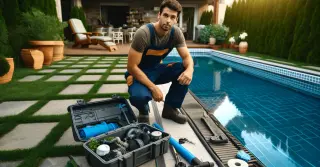
Routine inspection and prompt repairs are vital for ensuring the safety, performance, and durability of your pool. By detecting issues promptly, you can prevent costly damage and ensure your pool is always in prime condition.
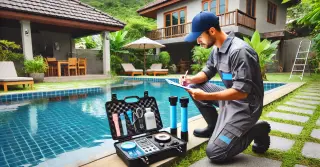
Routine Pool InspectionCarrying out periodic pool inspections is important to identify any signs of wear and tear. This requires checking the structural integrity, equipment functionality, and water quality.
- Structural Integrity: Check the pool walls, floor, and deck for cracks, leaks, and damage. Repairing these issues quickly prevents further damage and costly repairs.
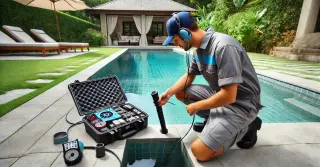
- Equipment Inspection: Routinely inspect the pool equipment, such as the pump, filter, heater, and lighting. Make sure they are working properly and undertake needed maintenance or fixes.
- Water Inspection: Testing the pool water for correct chemical levels is essential for swimmer safety. Frequent testing and balancing ensure the water remains clean and clear.
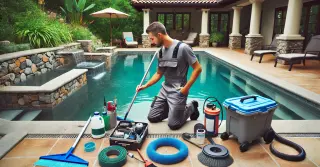
Common Pool RepairsEven with regular maintenance, repairs are sometimes necessary. Typical pool repairs include fixing leaks, repairing cracks, and replacing worn-out equipment.
- Leak Detection and Repair: Leaks may appear in the pool, plumbing, or equipment. Identifying and repairing leaks early stops water loss and additional damage.
- Repairing Cracks: Cracks in the pool walls or floor can cause serious problems if not fixed. Applying sealants or patches can effectively repair these cracks and bring the pool back to its original condition.
- Updating Equipment: Aging or broken equipment can affect the pool's efficiency and safety. Swapping out pumps, filters, and heaters ensures optimal performance and extends the pool's lifespan.
Professional Pool ServicesSome inspection and repair tasks are manageable for pool owners, others require professional expertise. Hiring professional pool services makes sure that all aspects of your pool's maintenance and repair are addressed correctly.
- Detailed Inspection: Specialists have the expertise and resources to perform comprehensive inspections and identify potential issues that may be missed by the untrained eye.
- Professional Repairs: Skilled repair professionals can efficiently fix any problems, from minor fixes to major repairs, ensuring your pool stays in great condition.
Benefits of Regular Inspection and RepairsConsistent inspection and immediate repairs bring many benefits, such as:
- Enhanced Safety: Consistent inspections confirm that all safety standards are met and functioning properly.
- Extended Pool Life: Immediate repairs and consistent maintenance extend the life of your pool, protecting your investment.
- Financial Savings: Fixing minor issues early can save money on costly repairs.
In conclusion, consistent inspection and immediate repairs are crucial for maintaining your pool's health, safety, and longevity. By staying proactive, you ensure a safe and enjoyable pool for years to come.