Pool Heaters Polk County FL
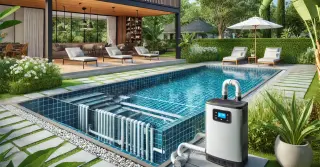
Heating systems for pools are vital for maintaining comfortable water temperatures. Whether you want to enjoy your pool during cooler months, swim in the early mornings, or simply maintain a warm and inviting temperature, heating solutions for pools offer several advantages.
Heating systems for pools are vital for maintaining comfortable water temperatures. Whether you want to enjoy your pool during cooler months, swim in the early mornings, or simply maintain a warm and inviting temperature, heating solutions for pools offer several advantages.

There are several types of pool heaters, each with its own benefits and considerations.
- Solar Heating Systems: Solar-powered pool heaters harness solar energy to warm the water, making them environmentally friendly and cost-efficient. Solar heating options are best suited for sunny climates.
- Electric Pool Heaters: Electric heat pumps are efficient and provide steady heating. They extract heat from the air, allowing them to work well even in cooler conditions.
- Gas Heating Systems: Gas-powered pool heaters provide fast heating, suitable for quick heat-ups. They run on natural gas or propane, offering strong and dependable heating.
Advantages of Pool HeatersIncorporating a pool heater provides numerous benefits that enhance your swimming experience.
- Longer Swimming Season: Using a pool heater, you can enjoy your pool beyond the summer months. This allows for more swimming days and makes the investment in your pool more worthwhile.
- Comfortable Water Temperature: A pool heater ensures the water stays warm, making swimming more pleasant. Forget about cold swims, just cozy and inviting water.
- Boosted Property Value: A pool with a heater can enhance the value of your home. Prospective buyers see a heated pool as a luxury feature, making your home more appealing.
- Health and Wellness Benefits: Warm water swimming can provide therapeutic benefits. It soothes muscles, relieves stress, and improves circulation, making your pool a place for both exercise and relaxation.
SummaryIncorporating a heating system is a worthwhile investment that provides more swimming days, keeps the water warm, and enhances your property's value. With various types of heaters available, you can find the ideal solution for your requirements. Benefit from a cozy and pleasant pool throughout the year with a reliable pool heater.