Weekly Cleaning Polk County FL
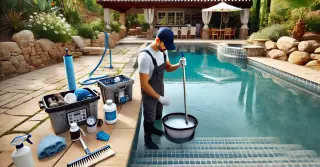
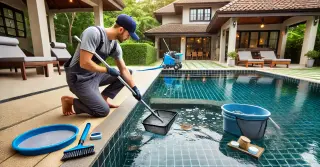
Weekly pool cleaning is crucial for maintaining the hygiene and safety of your pool. Consistent cleaning helps prevent the formation of grime, debris, and algae, ensuring your pool is welcoming and safe. A thorough weekly cleaning routine comprises several essential steps: Skimming the Surface: Eliminating leaves, insects, and surface debris with a skimmer net keeps the water clear and prevents clogging of the filtration system. - Wall and Floor Brushing: Scrubbing the pool walls and floor gets rid of algae and prevents discoloration. Using a pool brush that suits your pool's surface ensures effective cleaning.
Weekly pool cleaning is crucial for maintaining the hygiene and safety of your pool. Consistent cleaning helps prevent the formation of grime, debris, and algae, ensuring your pool is welcoming and safe. A thorough weekly cleaning routine comprises several essential steps: Skimming the Surface: Eliminating leaves, insects, and surface debris with a skimmer net keeps the water clear and prevents clogging of the filtration system. - Wall and Floor Brushing: Scrubbing the pool walls and floor gets rid of algae and prevents discoloration. Using a pool brush that suits your pool's surface ensures effective cleaning.
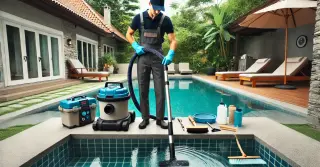
- Vacuuming the Pool: Using a pool vacuum removes dirt and debris that have settled on the bottom. Automatic pool vacuums make this job more convenient, although manual vacuums work well too.
- Balancing Pool Chemicals: Checking the pH, chlorine, and alkalinity levels ensures the water is safe and comfortable for swimmers. Balancing the chemicals to ensure correct levels is important.
- Emptying Skimmer and Pump Baskets: Emptying skimmer and pump baskets regularly avoids clogs and maintains efficient water circulation.
By adhering to a regular weekly cleaning routine, you ensure your pool remains in excellent condition throughout the season. Regular cleaning not only extends the life of your pool but also creates a safe and enjoyable swimming experience.

Routine weekly pool cleaning is crucial for maintaining the sanitation and safety of your swimming pool. Routine upkeep prevents the buildup of dirt, debris, and algae, guaranteeing your pool is welcoming and safe.
Skimming the SurfaceSurface skimming is the first step in weekly pool upkeep. Utilizing a skimmer net, eliminate leaves, bugs, and floating debris that accumulate on the water's surface. This prevents debris from sinking to the bottom, keeping your pool clean and easing the load on your filtration system.
Cleaning Pool Walls and FloorScrubbing the pool surfaces is crucial for eliminating algae and stopping stains. Utilizing a pool brush designed for your pool's material, scrub the walls and floor completely. This keeps the pool aesthetically pleasing, but also prevents the buildup of harmful algae and bacteria.
Vacuum CleaningVacuum cleaning the pool clears dirt and debris that have accumulated at the bottom. An automatic pool vacuum can be used, which makes the task easier, or a manual vacuum, which is a reliable option. Consistent vacuuming ensures your pool stays clean and free from dirt accumulation.
Maintaining Chemical BalanceTesting and balancing the pool's chemicals is critical for safe swimming. Employing a pool test kit, measure the pH, chlorine, and alkalinity. Adjust the chemicals as needed to ensure optimal levels. Proper chemical balance ensure the water remains safe and enjoyable for swimmers.
Cleaning Skimmer and Pump Baskets
Emptying the skimmer and pump baskets is necessary to prevent clogs. Remove collected debris from the collection baskets to ensure efficient water flow. This keeps your filtration system running efficiently and prevents potential damage.
By following a weekly cleaning routine, you make sure your pool remains in top shape. Consistent cleaning extends the lifespan of your pool, but also provides a safe and enjoyable environment for swimmers.